
Spokesperson says it’s a balance of public’s right to health and right to earn a living
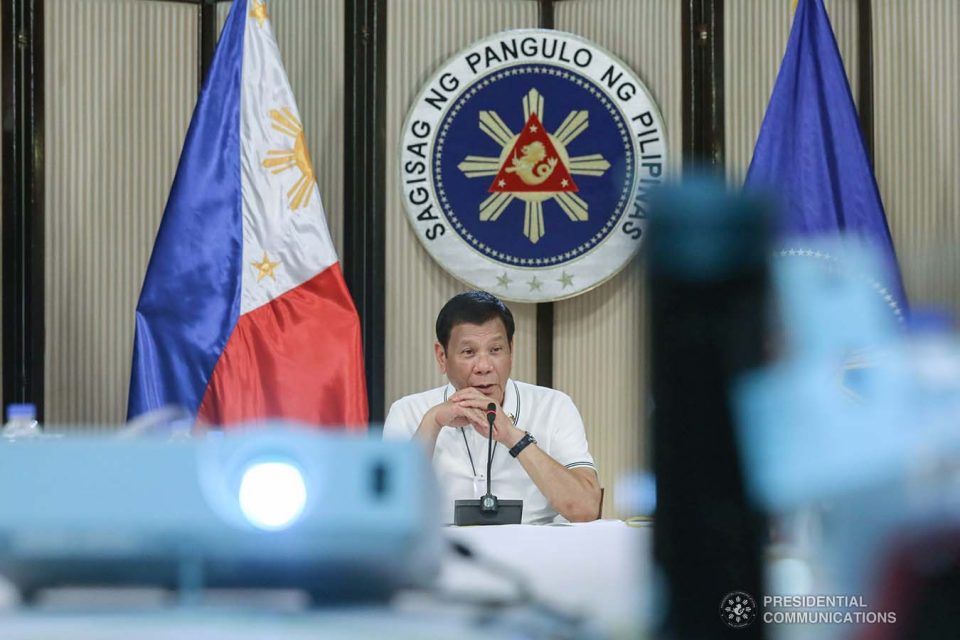
(Eagle News) – This morning, Friday, April 24, President Rodrigo Duterte is set to announce his decision on whether to extend the enhanced community quarantine after April 30, or just impose a modified version of the ECQ where the lockdown protocols stay in areas with high incidence of COVID-19 or for those vulnerable sectors at high-risk of contracting the virus.
The second option is what had been recommended by health experts he had consulted, and the President on Thursday night again consulted with the members of the Inter-Agency Task Force on Emerging Infectious Diseases (IATF-EID) on what his decision would be.
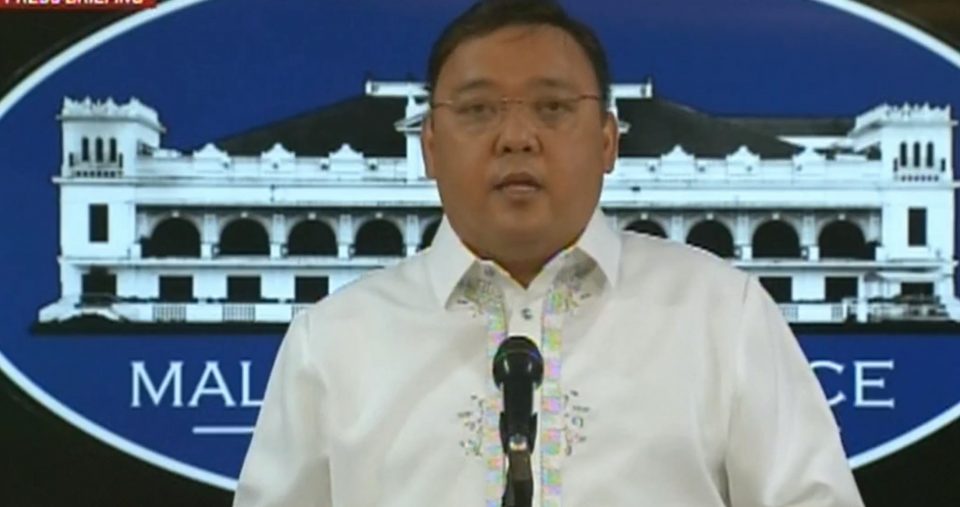
Presidential Spokesperson Harry Roque said that the President’s decision is a balance between the people’s right to health and the right to earn a living.
It’s a tough balancing act, he admitted, but his spokesperson said that the public should be assured that the President had weighed it out thoroughly and had consulted all the experts needed – from science and health, economy, local governance, business, and security.
It also weighs in the capacity of the health sector in addressing future COVID-19 cases, Roque said.
-Conclusion is ECQ has been effective in curbing COVID-19 spread-
One thing is clear, Roque notes, the enhanced community quarantine in Luzon has been effective in curbing the accelerated spread of the virus.
“So ang conclusion po: Gumagana ang ECQ sa pagpabagal ng sakit bagama’t ang desisyon nga po ng Presidente ay nakabase sa ano ang kakayahan ng ating health sector na bigyan ng atensiyon ang posible pang mga puwedeng magkasakit ng COVID-19 habang wala pa pong mga bakuna at gamot dito,” the President’s spokesperson said in his presscon Thursday, April 23.
In the President’s meeting with the IATF Thursday night, he again threshed out details on the post-April 30 scenario.
-IATF framework on modified ECQ protocols in case quarantine would be relaxed-
Roque gave a preview of the IATF’s framework that is supposed to guide Duterte in his decision.
“Ngayon naman po sa kauna-unahang pagkakataon, ipiprisinta natin iyong framework na sinumite ng IATF composed of all the different Cabinet secretaries of government kung paano po dapat magdesisyon ang Presidente kung ipagpapatuloy, kung iri-retain o kung ire-relax ang ECQ. Ito po talaga ay sang-ayon sa pagtimbang doon sa karapatan ng kalusugan at doon sa karapatang magkaroon ng kabuhayan ang ating mga mamamayan,” he explained.
Roque said that the President was particularly concerned about the so-called R or the number of persons an infected COVID-19 case can infect.
“Doon po sa kalusugan, ang tinitingnan po ng Presidente ay iyong tinatawag na R. Ano ba iyang R – hindi po Roque. Ang R po ay iyong mga posibleng mahawa ng isang taong mayroong COVID-19! Kapag ibig sabihin 1, ay isa lang po ang pupuwedeng mahawa ng isang tao at iyan po ay more or less kayang bigyan ng serbisyo ng ating health sector. Pero siyempre kung mas mababa pa sa one, mas mabuti,” he said.
Roque said the President analyzed the duration of the COVID-19 infection, the possible peak of infections in the country, and particularly the current number of severe and critical cases, as well as the number of deaths.
“Ano pa po iyong titingnan? Titingnan po iyong duration ng infection, iyong kung kailan po talagang nag-peak na iyong mga nagkakasakit, iyong numero ng mga nagkaroon ng sakit na ito at saka siyempre po iyong numero ng severe and critical cases dahil limitado po ang mga ospital natin bagama’t nagtatayo na po tayo ng iba’t iba pang mga We Heal as One Center para po doon sa mga positibo na mayroon lamang mild na mga sintomas. At siyempre titingnan din po iyong number of deaths and iyong mga health gains na ating nakamit na,” he explained.
In terms of the economy, Roque said that the President studied which sectors can already open, if possible, even partially. This necessarily entails the transportation scheme that should be put in place for the safe transport of workers.
“Pagdating naman po doon sa ekonomiya, titingnan natin iyong mga sektor ng ating ekonomiya na pupuwede na sigurong buksan, iyong mga tao na pupuwede nang pagtrabahuhin at siyempre po saan sasakay iyong mga tao na pupuwede nang magtrabaho,” he said.
Roque explained the proposed decision tools for the President, and the first of which is if the country already has the “minimum health standards” for the affected population if the ECQ is lifted, and how the ECQ is to be modified to consider such needs.
Second is the consideration of the “geographic risk.”
Third is the age group, and the vulnerable sectors that should continue to be ensured of protection.
Fourth is the particular economic sectors that can be opened with social distancing protocols
And next is the means of transportation needed to bring these sectors to work in consideration of safety procedures.
It really is a definition of a new normal that should be put in place in case the ECQ is relaxed or modified.
“Ang unang tanong: Mayroon na bang minimum health standards? Kakayanin na ba ng health sector sa lugar na iyon na magbigay ng atensiyon doon sa posibleng mga magkakasakit? Kung ang sagot ay ‘no’, patuloy po ang ECQ! Pero kung ang sagot naman ay kakayanin na ng health sector, well, tatanungin po natin na nakabase sa geographic location kung ito po ay low risk, moderate risk or high risk. Kung low risk po, pupuwede nang ma-lift ang ECQ; kung moderate risk, pupuwede pong ma-relax ang ECQ; at kung high risk po, hindi po mali-lift ang ECQ,” Roque detailed.
“Tapos po tatanungin din natin doon sa mga lugar na pupuwedeng mayroon ng low risk at moderate risk, kung pupuwede nang mag-restore ng transportasyon at iyong mga pribadong mga sasakyan at ilang ang pupuwedeng sumakay sa mga transportasyon na ito. Ilan pong pasahero ang pupuwedeng sumakay dahil importante na mayroon pa ring social distancing,” he explained.
-Identifying areas with “geographic risk of outbreak”-
Critical is the identification of the so-called “geographic risk of outbreak”
Roque gave this detailed explanation where areas will be classified into codes, where a red code, means that area has a large incidence of COVID-19 cases that would put a strain to health workers treating them, and therefore, an ECQ cannot be lifted there.
“Ibig sabihin, na-identify na po natin iyong mga areas kung saan iyong mga magkakasakit ay … kung ilan iyong magkakasakit depende sa area. At ang tanong nga po is anong kakayahan ng health sector sa lugar na iyon na magbigay ng serbisyo.”
Kung ang kakayahan po ng health sector sa lugar na iyon ay mahigit kumulang 70%, iyan po ay naka-red, ibig sabihin acceleration – hindi pa rin pupuwedeng ma-lift ang ECQ.”
Those with a health sector capacity between 30 percent to 70 percent, a modified ECQ can be put in place, he said.
“Kung ang kakayahan naman po ng health sector sa lugar na iyon ay nasa 30 to 70% na ay pupuwede nang magkaroon ng tinatawag na initiation or deceleration – ito po iyong modified o hindi naman po kaya ay relaxed ECQ,” Roque said.
In areas where only less than 30 percent of the health care sector is needed to address COVID-19 cases, meaning there are just few infection incidence there, the ECQ can be lifted, he said.
“Pero kung under 30% po iyong paggamit ng health sector, iyan po iyong tinatawag na recognition, pupuwede nang ma-relax o hindi naman kaya tuluyan nang i-lift ang ECQ.”
Next is the identification of the age groups which are vulnerable and the identification of members of the population with “comorbidities” or pre-existing diseases that would make them vulnerable to COVID-19. Most likely, they would still be required to be inside their homes.
“So, again po, pagdating po sa edad at saka iyong mga health risk, iyong tinatawag na comorbidity, ang edad na especially vulnerable po ay iyong mga zero to 20 at saka 60 and up – ang mga senior citizen; tapos po iyong mga edad na 21 to 59 na mayroon ng comorbidity o mayroon na pong sakit gaya ng sakit sa puso, sakit na diabetes, cancer at iba pang respiratory ailment; iyong mga edad 21 to 59 na kasama po sa bahay iyong mga senior citizens o hindi naman kaya iyong may mga pre-existing diseases na.”
“Siyempre po kung kayo ay kasama dito sa mga edad na ito o hindi naman kaya may kondisyon na pre-existing na sakit, especially vulnerable at kahit po anong mangyari whether be it retained o relaxed ay patuloy pa rin kayong magho-home quarantine,” Roque explained.
An earlier study by the University of the Philippines has identified these critical or high-risk areas where there is still high incidence of COVID-19 cases: Metro Manila, CALABARZON, portions of Bulacan, Cebu City and Davao City.
(Eagle News Service)